
If you’re wondering about your IVF success rate, here’s the honest answer: success depends mainly on age, egg quality, and the fertility centre’s expertise. At Thaaimai Hospital in Alwarpet, women under 35 see success rates between 40-50% per cycle, while personalized care can improve outcomes at any age.
What Really Determines the IVF Success Rate?
IVF success rate refers to the percentage of embryo transfers that result in a confirmed pregnancy or live birth. It’s usually measured per cycle, and it changes based on age, the cause of infertility, and the clinic’s lab standards and protocols.
Understanding IVF Success Rates and Pregnancy Chances
When patients ask me about their chances, I always explain that success isn’t a single fixed number — it’s a range that shifts depending on your specific health picture. In my years treating couples in Alwarpet and across Chennai, I’ve seen outcomes improve when we personalize the stimulation protocol instead of using a one-size-fits-all approach. A healthy 30-year-old with good ovarian reserve has very different chances than a 42-year-old with diminished egg count, even though both are technically undergoing the same procedure.
Average IVF Success Rate Based on Age Group
Broadly speaking, clinics report these approximate live birth rates per cycle:
- Under 35 years: 40-50%
- 35 to 37 years: 35-40%
- 38 to 40 years: 20-30%
- Above 40 years: 10-15%
These numbers are general benchmarks, not promises. Every patient’s body responds differently — I’ve had 41-year-old patients succeed on the first try, while some younger patients needed two or three cycles.
Why IVF Success Rates Differ From Person to Person
No two fertility journeys are identical. I’ve treated patients with the same diagnosis — blocked fallopian tubes, for example — who had completely different outcomes because of differences in egg reserve, uterine lining thickness, or how their body responded to medication. This is why a proper diagnostic workup before starting treatment matters so much. It also helps to understand the IVF treatment cost upfront, since your protocol — and its price — is built around your fertility profile, not a generic package.
IVF Success Rate at Thaaimai Hospital
Advanced Fertility Care to Improve IVF Success Chances
At our Alwarpet centre, every patient starts with a detailed fertility assessment before we even discuss a treatment plan. I’ve found that couples who go through a thorough evaluation — hormone panels, ultrasound scans, semen analysis — tend to respond better to treatment because we’re not guessing; we’re treating the actual problem.
Experienced IVF Specialists and Personalized Treatment Plans
Over the years, I’ve adjusted my approach for patients who didn’t respond well to standard protocols elsewhere. One patient in her late 30s had two failed cycles at another clinic before switching her stimulation medication dosage with us, which led to a successful pregnancy on her third attempt. Personalization, not repetition of the same plan, is often what makes the difference.
Modern Embryology Laboratory and Advanced IVF Technology
Our embryology lab uses controlled culture conditions and time-lapse monitoring to select embryos with the best implantation potential. Lab quality matters enormously — even a well-planned stimulation cycle can underperform if the lab environment isn’t tightly controlled.
Factors That Affect IVF Success Rate
Age of the Female Partner
Age remains the single biggest factor. Egg quantity and quality decline gradually through the 30s and more sharply after 38, which directly affects fertilization and implantation rates.
Egg Quality and Ovarian Reserve
We check ovarian reserve using AMH levels and antral follicle counts. Patients with low reserve can still succeed, but we often adjust medication dosages and timelines to get the best possible egg yield.
Sperm Quality and Male Fertility Factors
Nearly 40% of infertility cases involve male factors. Poor sperm motility or morphology can lower fertilization rates, which is why we routinely recommend a semen analysis for both partners early in the process.
Embryo Quality and Implantation Potential
Not every fertilized egg develops into a strong embryo. Our lab grades embryos by cell division pattern and structure before choosing the one with the highest implantation potential for transfer.
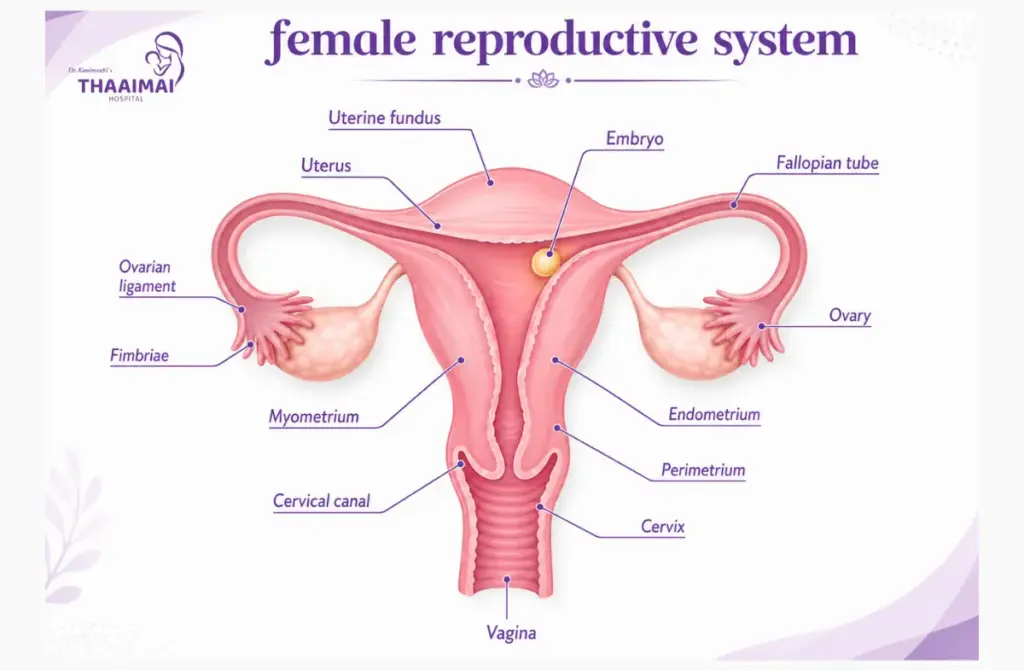
Uterine Health and Endometrial Thickness
A receptive uterine lining, generally 7mm or thicker, gives embryos a better chance to implant. Conditions like fibroids or polyps can interfere, so we check and treat these before transfer when needed.
Lifestyle and Overall Health Conditions
Smoking, excess weight, uncontrolled diabetes, and thyroid imbalances can all lower your IVF success rate In Alwarpet clinics and elsewhere. I usually ask patients to address these factors for a few months before starting stimulation, when time allows.
IVF Success Rate by Age: What Couples Should Know
IVF Success Rate for Women Below 35 Years
This age group generally has the strongest outcomes, with good egg quantity and quality supporting higher fertilization and implantation rates.
IVF Success Rate Between 35 and 40 Years
Success rates begin declining gradually here. We often recommend genetic testing of embryos in this age group to select the healthiest one for transfer.
IVF Success Rate Above 40 Years
Chances drop more noticeably after 40, mainly due to egg quality. Some patients in this group benefit from donor egg options, which I discuss openly and only when medically appropriate.
How Can You Improve Your IVF Success Rate?
Choosing the Right Fertility Specialist
Experience matters. A specialist who adjusts your protocol based on your response — rather than following a fixed template — generally delivers better results.
Following a Healthy Lifestyle Before IVF
Balanced nutrition, moderate exercise, adequate sleep, and stress management in the months before treatment can meaningfully support your body’s response to stimulation medication.
Proper Medication and Treatment Monitoring
Close monitoring through blood tests and ultrasounds during stimulation lets us adjust dosages in real time, which reduces the risk of poor egg retrieval or ovarian hyperstimulation.
Selecting the Right IVF Procedure
Not every patient needs the same procedure. Choosing between conventional IVF, ICSI, or frozen embryo transfer based on your specific diagnosis directly affects your IVF success rate, so this decision should never be one-size-fits-all.
IVF Procedures Available at Thaaimai Hospital
Conventional IVF Treatment
Eggs and sperm are combined in a lab dish, allowing natural fertilization to occur before the healthiest embryo is selected for transfer.
ICSI Treatment for Male Infertility
For male-factor infertility, we inject a single healthy sperm directly into the egg, which significantly improves fertilization rates in cases of low sperm count or motility.
Frozen Embryo Transfer (FET)
Sometimes we freeze embryos and transfer them in a later cycle when the uterine lining is more receptive, which in many of my patients has actually improved outcomes compared to a fresh transfer.
Egg Freezing and Embryo Freezing Options
Patients who want to preserve fertility for medical or personal reasons can freeze eggs or embryos for future use, with quality preserved through vitrification technology.
Genetic Testing During IVF (PGT)
Preimplantation genetic testing screens embryos for chromosomal abnormalities before transfer, which is particularly useful for patients over 35 or with a history of miscarriage.
How Many IVF Cycles Are Needed for Success?
Can IVF Be Successful in the First Attempt?
Yes, it’s possible — many of my younger patients with good ovarian reserve conceive on their first cycle. But this isn’t guaranteed for everyone.
Why Multiple IVF Attempts May Be Required
Implantation doesn’t always succeed the first time, even with a good-quality embryo. This doesn’t mean something is wrong; sometimes it’s simply about giving the body another opportunity.
Factors That Influence the Number of IVF Cycles
Age, embryo quality, and underlying health conditions all influence how many cycles a patient might need. I always set realistic expectations with my patients from the very first consultation.
IVF Success Rate vs Natural Pregnancy: Understanding the Difference
When Doctors Recommend IVF Treatment
We typically recommend IVF when natural conception hasn’t worked after a year of trying (or six months for women over 35), or when there’s a diagnosed condition like blocked tubes or severe male-factor infertility.
Conditions Where IVF Can Increase Pregnancy Chances
For conditions like endometriosis, unexplained infertility, or advanced maternal age, IVF often offers significantly better odds than continuing to try naturally, since it bypasses several natural barriers to conception.
Reasons Why IVF Treatment May Fail
Poor Egg or Embryo Quality
Even with expert handling, some embryos simply don’t have the chromosomal health needed to implant and develop successfully.
Implantation Problems
A thin or unreceptive uterine lining can prevent even a high-quality embryo from implanting properly.
Age-Related Fertility Challenges
As discussed earlier, age reduces both egg quantity and quality, which lowers the overall chance of success regardless of lab expertise.
Underlying Medical Conditions
Untreated thyroid disorders, uncontrolled diabetes, or uterine abnormalities can all interfere with implantation and pregnancy continuation.
How Thaaimai Hospital Helps Improve IVF Success Chances
Comprehensive Fertility Evaluation
Every patient undergoes a full diagnostic workup before we recommend a treatment path, so nothing is left to guesswork.
Individualized IVF Treatment Approach
I design each protocol around the patient’s hormone levels, age, and prior treatment history rather than applying a standard formula.
Continuous Support Throughout the IVF Journey
From the first consultation to the pregnancy test, our team stays closely involved, adjusting the plan as needed and answering questions honestly at every step.
Conclusion
Your IVF success rate depends on many factors working together — age, egg quality, lab standards, and a treatment plan built specifically around your body. At Thaaimai Hospital in Alwarpet, we focus on personalized care rather than generic protocols, because that’s what genuinely moves the needle on outcomes. If you’re exploring your options, a proper evaluation is always the right first step.