
Polycystic Ovary Syndrome, commonly known as PCOS, is one of the most common hormonal conditions affecting women during their reproductive years. It can influence periods, hormone levels, and ovulation, which is why many women with PCOS look into fertility care at some point in their journey to conceive. Understanding how PCOS works is the first step toward finding the right PCOS infertility treatment for your situation.
At THAAIMAI Hospital, our approach begins with a clear explanation of the condition itself, so that women feel informed rather than confused. This understanding makes it easier to follow through with treatment and stay confident about the path ahead.
What is PCOS?
PCOS is a hormonal condition where the ovaries produce higher than usual levels of certain hormones, which can affect the regularity of periods and the release of eggs. Many women with PCOS also experience related symptoms such as acne, weight changes, or excess hair growth, though these can vary widely from person to person.
The condition is diagnosed based on a combination of symptoms, blood tests, and ultrasound findings, rather than a single test alone. This means a proper evaluation by a gynecologist is important to confirm the diagnosis and understand how it may be affecting your body.
How does PCOS affect ovulation?
Ovulation is the process where an egg is released from the ovary each month, and it is essential for natural conception. In PCOS, hormonal imbalance can disrupt this process, leading to irregular ovulation or, in some cases, cycles where ovulation does not happen at all.
When ovulation is irregular, it becomes harder to predict fertile days, which can make conceiving naturally more challenging. This is one of the main reasons PCOS is closely linked to fertility concerns in many women.
Can women with PCOS get pregnant naturally?
Yes, many women with PCOS do conceive naturally, especially with the support of lifestyle changes and medical guidance. PCOS does not mean pregnancy is impossible; it simply means ovulation may need some support to happen regularly.
For women who do not conceive naturally within a reasonable time, further evaluation and treatment can help identify the right next steps. Every woman’s situation is different, so the path forward is always based on individual assessment.
What Causes Infertility in Women With PCOS?
Infertility in PCOS is usually linked to a combination of hormonal and metabolic factors rather than a single cause. Understanding these factors helps in choosing the right treatment approach for each patient.
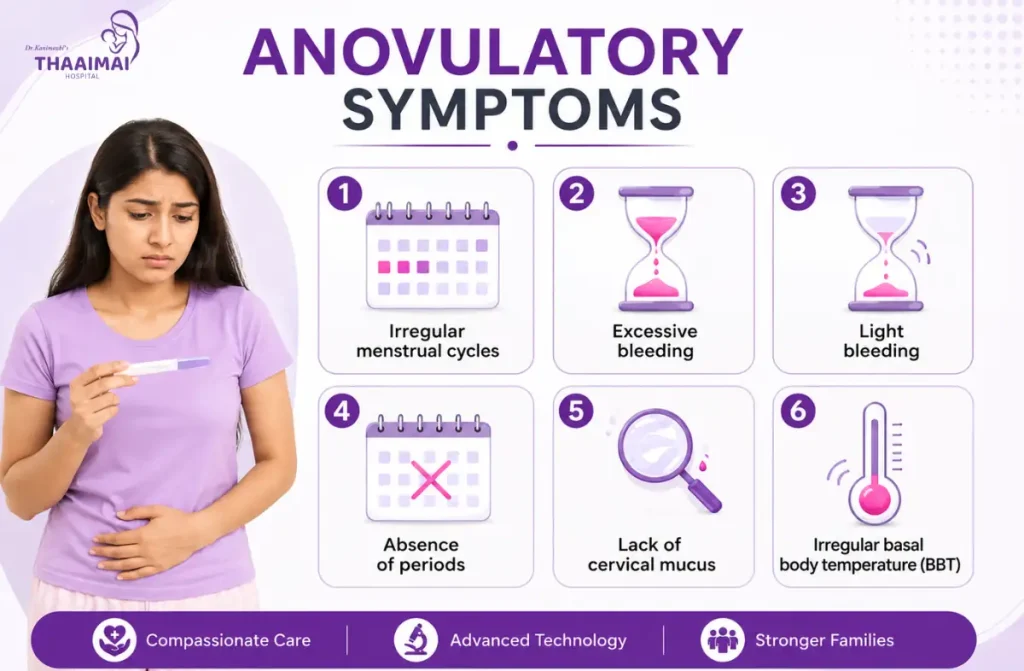
Irregular or absent ovulation
The most common cause of infertility in PCOS is irregular or absent ovulation. Without regular ovulation, there are fewer opportunities each month for natural conception to occur, which is why many treatments focus on restoring a more predictable cycle.
Hormonal imbalance
PCOS often involves elevated levels of androgens and disruptions in other reproductive hormones. This imbalance can interfere with the normal development and release of eggs, making conception more difficult without medical support.
Insulin resistance and PCOS
Many women with PCOS also experience insulin resistance, where the body does not respond to insulin as effectively as it should. This can worsen hormonal imbalance and further affect ovulation, which is why managing insulin levels is often part of a complete treatment plan.
Other factors that can affect fertility
Besides ovulation and hormones, factors such as weight, stress levels, and overall lifestyle can also play a role in fertility outcomes for women with PCOS. A complete evaluation takes all of these aspects into account before recommending treatment.
How Is PCOS Infertility Diagnosed?
A proper diagnosis is the foundation of effective treatment. At THAAIMAI Hospital, diagnosis involves a step-by-step evaluation to understand the specific factors affecting each patient’s fertility.
Medical history and fertility assessment
The process begins with a detailed discussion about your menstrual history, previous pregnancies if any, and how long you have been trying to conceive. This conversation helps the doctor understand your unique situation before recommending any tests.
Hormone and blood tests
Blood tests are used to check hormone levels that influence ovulation and menstrual regularity. These results help confirm a PCOS diagnosis and guide decisions about the most suitable treatment approach.
Ultrasound and ovarian assessment
An ultrasound scan allows the doctor to examine the ovaries directly and check for the characteristic appearance often associated with PCOS. This also helps assess overall reproductive health alongside the blood test results.
Ovulation and other fertility tests
Additional tests may be used to confirm whether ovulation is occurring regularly. In some cases, further fertility assessments are recommended to build a complete picture before finalizing a treatment plan.
What Are the Treatment Options for PCOS Infertility?
PCOS infertility treatment usually follows a step-by-step approach, starting with simpler options and moving toward advanced care only if needed. This allows each woman to try the least invasive suitable option first.
The following are commonly used approaches at THAAIMAI Hospital, chosen based on individual evaluation:
- Lifestyle changes and weight management
- Medicines to induce ovulation
- Metformin for insulin resistance
- Intrauterine insemination (IUI)
- In vitro fertilization (IVF)
Lifestyle changes and weight management
For many women, achieving a healthier weight through diet and physical activity can improve hormone balance and restore more regular ovulation. This is often recommended as a first step before starting medication.
Medicines to induce ovulation
When lifestyle changes alone are not enough, medication can be used to help stimulate the ovaries to release an egg. These medicines are monitored closely to track response and adjust dosage if needed.
Metformin for insulin resistance
Metformin is sometimes prescribed to help manage insulin resistance in women with PCOS. By improving how the body responds to insulin, it can support more regular ovulation alongside other treatments.
Intrauterine insemination (IUI)
IUI involves placing prepared sperm directly into the uterus around the time of ovulation, increasing the chances of fertilization. It is often considered when ovulation medicines alone have not resulted in pregnancy.
In vitro fertilization (IVF)
IVF is a more advanced fertility treatment where eggs are fertilized outside the body before being placed back into the uterus. It is usually considered when other treatments have not been successful or when additional fertility factors are involved.
Other assisted reproductive treatments
Depending on individual circumstances, other assisted reproductive techniques may also be discussed. Our fertility team explains each option clearly, so patients understand what is involved before making a decision.
How Can Lifestyle Changes Improve Fertility With PCOS?
Lifestyle plays an important supporting role in managing PCOS and improving fertility outcomes. While it may not resolve every case on its own, it often makes a meaningful difference alongside medical treatment.
Maintaining a healthy weight
Even a modest reduction in weight can help improve hormone balance and ovulation in some women with PCOS. Gradual, sustainable changes tend to be more effective than rapid weight loss.
Following a balanced diet
A diet rich in whole foods, fiber, and balanced nutrients can support better insulin function and hormonal health. Simple, consistent dietary habits are usually more helpful than strict, short-term diets.
Exercising regularly
Regular physical activity supports weight management and helps improve how the body responds to insulin. Moderate, consistent exercise is generally recommended over intense, irregular workouts.
Managing stress and getting adequate sleep
Stress and poor sleep can affect hormone levels, which may in turn influence PCOS symptoms. Simple habits such as regular sleep patterns and stress management techniques can support overall treatment progress.
What Is the Best Treatment for PCOS Infertility?
There is no single treatment that works the same way for every woman with PCOS. The right approach depends on individual factors such as age, how long you have been trying to conceive, and any other fertility considerations.
Choosing treatment based on age and fertility factors
Younger women with fewer complicating factors may respond well to simpler treatments like lifestyle changes and ovulation medicines. Age and overall reproductive health are always taken into account when planning treatment.
When ovulation medicines may be recommended
Ovulation medicines are often the first medical treatment tried, especially when irregular ovulation is the main concern. Response to these medicines is monitored closely to guide the next steps.
When IUI or IVF may be considered
If ovulation medicines alone do not lead to pregnancy after a reasonable period, or if other fertility factors are present, IUI or IVF may be discussed as the next appropriate step.
How Long Does PCOS Infertility Treatment Take?
The duration of treatment varies from woman to woman, depending on how the body responds and which treatment stage is being used. Some women conceive within the first few cycles, while others may need a longer, more gradual approach.
How quickly can ovulation treatment work?
Some women respond to ovulation-inducing medicines within the first few treatment cycles, while others may need adjustments to dosage or approach. Regular monitoring helps track progress along the way.
When should treatment be changed or escalated?
If a particular treatment does not lead to pregnancy after several cycles, the doctor may recommend moving to the next suitable option, such as IUI or IVF, based on individual response and circumstances.
Factors that affect treatment duration
Age, how the body responds to medication, and any additional fertility factors can all influence how long treatment takes. A personalized plan helps ensure the approach stays realistic and appropriate throughout.
Can PCOS Infertility Be Treated Successfully?
Many women with PCOS do go on to conceive successfully with the right combination of lifestyle support and medical treatment. The goal of fertility care is to work with your body’s natural process, restoring regular ovulation wherever possible.
Chances of pregnancy with PCOS
With appropriate treatment, many women with PCOS achieve pregnancy, though the exact chances depend on individual factors such as age and overall reproductive health. A personalized evaluation gives a clearer picture of what to expect.
Factors that influence fertility treatment success
Response to treatment, consistency with lifestyle changes, and how early PCOS is diagnosed can all influence outcomes. Working closely with your care team throughout the process supports better results.
When to consult a fertility specialist
If you have been trying to conceive for several months without success, or if your periods are very irregular, it is a good time to consult a fertility specialist for a proper evaluation. Some signs that suggest it is time to seek guidance include:
- Periods that are highly irregular or absent
- No pregnancy after a year of trying, or six months if above 35
- Ongoing symptoms of PCOS that have not been evaluated before
Conclusion
PCOS is a common condition, and while it can affect fertility, it does not mean pregnancy is out of reach. With the right evaluation and a personalized PCOS infertility treatment plan, many women are able to work toward their goal of starting or growing their family. At THAAIMAI Hospital, our approach is built on clear communication, careful evaluation, and treatment that respects each woman’s individual journey.