
At Thaaimai Hospital in Alwarpet, Chennai, our team supports couples through every stage of the treatment of infertility, from the first consultation to the arrival of a healthy baby. Led by Dr. Kanimozhi, our specialists combine modern reproductive science with clear, honest guidance, so you always know what to expect next. Whether you are just starting to explore your options or have been trying to conceive for some time, this page walks you through the full picture of infertility care available to you.
What Is Infertility Treatment?
Infertility treatment refers to the range of medical steps used to help a person or couple achieve pregnancy when it has not happened naturally within a reasonable time. It can include simple lifestyle guidance, medicines that support ovulation, minor procedures, or advanced lab-based methods such as IVF. The right path depends on your test results, age, and personal health history, and a good treatment of infertility plan is built around your specific situation rather than a one-size-fits-all routine.
When Should You Consider Infertility Treatment?
Most doctors suggest seeking help after trying to conceive for one year if you are under 35, or after six months if you are 35 or older. If you have irregular periods, a known condition like PCOS or endometriosis, or a past surgery that may affect fertility, it is worth having a conversation sooner. Men with a history of infections, surgery, or a family history of fertility problems can also benefit from an early check. Starting the conversation early simply gives you more time and more options to work with.
Diagnosis Before Infertility Treatment
Before recommending any treatment, our specialists run a set of tests to understand what may be affecting your fertility. This step-by-step evaluation looks at both partners and helps build a clear, personal plan going forward.
Medical and Reproductive History
Your first visit usually starts with a detailed conversation about your health, past pregnancies, menstrual cycle, and any surgeries or long-term conditions. We also ask about your partner’s health history, since fertility involves both people. This conversation helps our doctors spot patterns that blood tests or scans alone might miss. It also gives you a chance to ask questions and understand what happens next.
Ovulation and Hormone Testing
Blood tests check hormone levels connected to ovulation, egg supply, and thyroid function. These results tell us whether ovulation is happening regularly and whether hormone levels are in a healthy range. Testing is usually done on specific days of your cycle for the most accurate picture. Your doctor will explain each result in simple terms and what it means for your next steps.
Semen Analysis
A semen analysis checks sperm count, movement, and shape, and is one of the first tests recommended for male partners. The sample is collected privately at the hospital and reviewed in our lab within a short time. Results guide whether further testing or specific treatment is needed. Many men find this test straightforward and less stressful than they expected.
Ultrasound and Imaging Tests
A pelvic ultrasound lets doctors see the uterus, ovaries, and follicles, and check for cysts, fibroids, or other changes. It also helps track egg development during treatment cycles. The scan is quick, painless, and usually done in the clinic during a regular visit. Your doctor will walk you through the images and explain any findings.
Fallopian Tube and Uterine Evaluation
Tests such as a hysterosalpingogram (HSG) or saline sonography check whether the fallopian tubes are open and whether the uterus has a normal shape and lining. Blocked tubes or uterine changes can make natural conception harder, so this step matters for planning treatment. The procedure is done as a day visit and results are usually available quickly. Your doctor will discuss findings with you and outline what they mean for your options.
Treatment of Infertility in Women
Medicines to Stimulate Ovulation
For women who do not ovulate regularly, oral or injectable medicines can help the ovaries release eggs on a predictable schedule. Common options include letrozole and clomiphene, often paired with monitoring through blood tests and ultrasound scans. This approach works well for many women with PCOS or irregular cycles and is usually tried before more involved procedures. Your doctor will track your response closely and adjust the dose if needed.
Intrauterine Insemination (IUI)
IUI places specially prepared sperm directly into the uterus around the time of ovulation, which shortens the distance sperm need to travel. It is often combined with ovulation-stimulating medicines to improve timing and results. The procedure itself takes only a few minutes and does not usually need anaesthesia. IUI is a good starting option for mild fertility issues or unexplained infertility.
In Vitro Fertilization (IVF)
IVF involves collecting eggs from the ovaries, fertilising them with sperm in our lab, and transferring a healthy embryo back into the uterus. Our embryology lab follows international quality standards, with continuous monitoring during embryo development. IVF is often recommended when tubes are blocked, sperm counts are low, or other treatments have not led to pregnancy. Each cycle is planned around your body’s response, with regular scans and hormone checks along the way.
Surgery for Fertility Problems
Minimally invasive surgery, such as laparoscopy or hysteroscopy, can correct physical issues like blocked tubes, scar tissue, or uterine abnormalities. These procedures use small incisions or a scope passed through the cervix, which usually means a shorter recovery than open surgery. Surgery is often a one-time step that can improve the chances of natural conception or make later treatments more effective. Your doctor will explain exactly what the procedure involves and what recovery looks like.
Treatment for Endometriosis and Fibroids
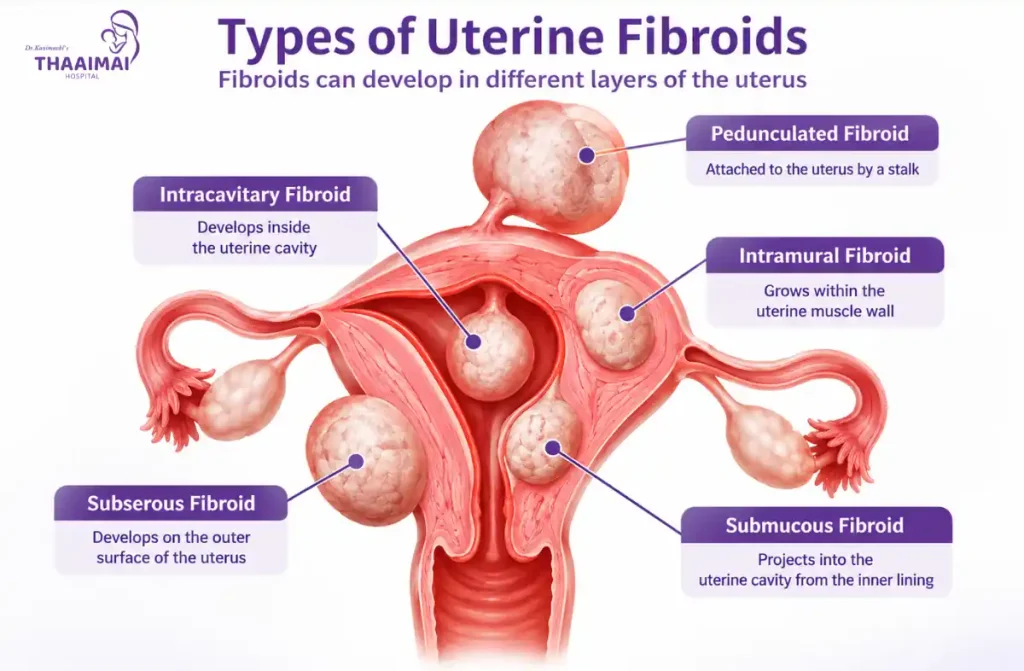
Endometriosis and fibroids can affect fertility by changing the shape of the uterus or interfering with implantation. Treatment ranges from medicines that manage symptoms to laparoscopic surgery that removes the affected tissue while preserving healthy areas. The right approach depends on the size, location, and severity of the condition. Many women go on to conceive naturally or with assisted methods after treatment.
Treatment of Infertility in Men
Medicines and Hormonal Treatment
When low sperm count is linked to a hormone imbalance, medicines can help restore healthy levels and support sperm production. This is often the first step for men whose lab results point to a hormonal cause. Treatment usually takes a few months to show results, since sperm production is a gradual process. Your doctor will schedule follow-up tests to check progress.
Treatment for Infections and Underlying Conditions
Infections in the reproductive tract can affect sperm quality and are usually treated with a course of antibiotics. Other conditions, such as diabetes or thyroid imbalance, are managed alongside fertility care since they can influence sperm health too. Treating the underlying cause often improves results on its own. Your doctor will guide you through any additional tests needed to confirm the diagnosis.
Surgery for Varicocele and Other Problems
A varicocele is a swelling of veins in the scrotum that can reduce sperm quality, and it can often be corrected with a straightforward day-care procedure. Other structural issues, such as blockages in the sperm-carrying tubes, may also be treated surgically. Many men see an improvement in sperm parameters within a few months after surgery. Your doctor will discuss whether surgery is the right option based on your test results.
Sperm Retrieval Procedures
For men with very low or no sperm in their ejaculate, sperm can sometimes be retrieved directly from the testicle or epididymis through a minor procedure. This is often used alongside IVF or ICSI to achieve pregnancy. The procedure is done under local or light sedation and usually takes less than an hour. Retrieved sperm can be used fresh or frozen for a later cycle.
Assisted Reproductive Techniques
Assisted Reproductive Technologies for Infertility
Assisted reproductive technologies, or ART, cover procedures where eggs and sperm are handled in a lab to help achieve pregnancy. These methods are recommended when simpler treatments have not worked or when test results point to a condition that needs a more direct approach. ART has helped many couples build their families, and success depends on factors like age, egg quality, and sperm health. Our team will explain which method fits your situation before you begin.
Intrauterine Insemination (IUI)
As part of the ART pathway, IUI remains a useful option for couples with mild sperm issues, unexplained infertility, or cervical factors affecting natural conception. It is less involved than IVF and is often tried first when appropriate. Several IUI cycles may be recommended before moving to a different approach. Your doctor will track your response and suggest next steps based on the results.
In Vitro Fertilization (IVF)
IVF remains the most established ART option and is used for a wide range of fertility challenges, from blocked tubes to age-related decline in egg number. The process includes ovarian stimulation, egg collection, fertilisation in the lab, and embryo transfer. Our lab uses continuous embryo monitoring to help select the healthiest embryo for transfer. Each step is explained clearly so you always know where you are in the cycle.
Intracytoplasmic Sperm Injection (ICSI)
ICSI is a specialised form of IVF where a single sperm is injected directly into an egg, which helps overcome severe male infertility. It is often recommended when sperm count or movement is very low, or when previous IVF cycles did not result in fertilisation. The rest of the process, from egg collection to embryo transfer, follows the same steps as standard IVF. ICSI has opened up parenthood for many couples who previously had very few options.
Donor Eggs, Sperm, or Embryos
When a person’s own eggs, sperm, or embryos are not likely to lead to a successful pregnancy, using a donor can be a meaningful path forward. All donors go through careful medical and genetic screening before being matched with a recipient. This option is discussed openly and only when it genuinely fits your situation. Our counselling team is available to support you through this decision.
Gestational Surrogacy
Gestational surrogacy allows an embryo created from the intended parents’ or donors’ eggs and sperm to be carried by a surrogate. This option is considered when carrying a pregnancy is not medically possible or advisable for the intended mother. The process involves legal, medical, and counselling steps that our team helps coordinate from start to finish. Every surrogacy journey is handled with care and clear communication at each stage.
Lifestyle Changes to Support Fertility
Maintaining a Healthy Weight
Being significantly underweight or overweight can affect hormone balance and ovulation in women, and sperm quality in men. Reaching a healthy weight range, even a modest change, can improve the chances of natural conception or make fertility treatment more effective. Your doctor can suggest a realistic pace based on your current health. Small, steady changes tend to work better than sudden extreme diets.
Eating a Balanced Diet
A fertility-friendly diet focuses on whole foods and steady nutrition rather than any single ‘superfood.’ Helpful daily habits include:
- Eating plenty of vegetables, fruits, and whole grains
- Choosing healthy fats such as nuts, seeds, and olive oil
- Including good protein sources like eggs, fish, and legumes
- Limiting processed foods and sugary drinks
- Staying well hydrated through the day
These small daily choices support hormone balance and overall reproductive health.
Exercise and Physical Activity
Regular, moderate exercise supports healthy weight, better sleep, and lower stress, all of which play a role in fertility. Activities like brisk walking, swimming, or yoga are usually well suited for people preparing for or undergoing treatment. Very intense or excessive exercise can sometimes affect ovulation, so balance matters more than intensity. Your doctor can help you find a routine that fits your treatment plan.
Avoiding Smoking, Alcohol, and Recreational Drugs
Smoking, heavy alcohol use, and recreational drugs can lower fertility in both men and women and may reduce the success of treatment. Cutting these out, ideally a few months before starting treatment, gives your body time to recover. Your doctor can connect you with support if you need help making these changes. Even partial reductions can make a positive difference over time.
Managing Stress and Sleep
Fertility treatment can be an emotional process, and ongoing stress or poor sleep can add to the physical strain on your body. Simple habits like a consistent sleep schedule, gentle exercise, or relaxation techniques can help you feel steadier through treatment. Many patients also find it helpful to talk to a counsellor or join a support group during this time. Taking care of your mental wellbeing is just as important as the medical side of care.
Treatment of Unexplained Infertility
Medications and Ovulation Induction
When no clear cause is found after testing, doctors sometimes start with ovulation-inducing medicines to increase the number of eggs available each cycle. This simple step alone helps some couples conceive within a few cycles. Monitoring through ultrasound ensures the response is safe and on track. If this approach does not lead to pregnancy after a few tries, your doctor will suggest the next step.
IUI for Unexplained Infertility
IUI is commonly recommended for unexplained infertility because it improves the odds of sperm meeting egg without requiring lab-based fertilisation. It is usually combined with ovulation-stimulating medicines for the best chance of success. Several cycles may be tried before considering a different approach. Your doctor will review your progress after each cycle and adjust the plan as needed.
IVF for Unexplained Infertility
If IUI cycles do not result in pregnancy, IVF offers a more direct approach by handling fertilisation in the lab. This step often reveals additional information about egg or sperm quality that earlier tests could not show. Many couples with unexplained infertility go on to have a successful pregnancy through IVF. Your doctor will discuss timing and next steps based on how earlier treatments went.
Infertility Treatment by Age
Infertility Treatment in Your 20s and 30s
In your 20s and early 30s, egg quality and quantity are usually at their best, so simpler treatments often work well. Doctors may start with lifestyle guidance and ovulation tracking before moving to medicines or IUI. Since there is generally more time to work with, treatment can often proceed in gradual steps. Your doctor will still tailor the plan to any specific conditions found during testing.
Infertility Treatment After 35
After 35, egg number and quality begin to decline gradually, so doctors often recommend moving to more effective treatments sooner rather than trying each option for a long time. Testing may be done a little earlier in the process to get a clear picture quickly. IUI is still an option for some, but IVF is considered sooner if there is limited time to spare. Your doctor will explain the trade-offs so you can make an informed choice.
Infertility Treatment After 40
After 40, natural fertility drops more noticeably, and IVF is usually the most effective option, sometimes with genetic testing of embryos to support a healthy pregnancy. Donor eggs may also be discussed if a woman’s own egg quality is very low. Every plan at this stage is built around realistic timelines and your personal goals. Our team will walk you through the options honestly, so you can decide what feels right for you.
How Long Does Infertility Treatment Take?
The timeline varies widely depending on the cause and the treatment chosen. Simple medicine-based cycles may show results within three to six months, while IUI is often tried for three to four cycles before considering IVF. A single IVF cycle typically takes four to six weeks from the start of stimulation to the pregnancy test. Your doctor will give you a realistic timeline once your treatment plan is decided.
Success Rates of Infertility Treatments
Success rates depend on factors such as age, the cause of infertility, and the treatment method chosen. In general, IVF success rates are highest in women under 35 and gradually decline with age, though many older women still conceive successfully. IUI success rates are lower per cycle than IVF but improve with repeated attempts in the right candidates. Our team tracks outcomes closely and will discuss realistic expectations for your specific situation.
Risks and Side Effects of Infertility Treatment
Like any medical treatment, fertility treatment can come with mild side effects, such as bloating, mood changes, or tenderness from hormone medicines. Procedures like egg collection carry small, well-managed risks that your doctor will explain beforehand. Multiple pregnancy is a possibility with some treatments, and your doctor will discuss ways to manage this risk. Our team monitors you closely throughout treatment to catch and address any concerns early.
Cost of Infertility Treatment
The cost of treatment depends on the type and number of procedures needed, from simple medicine cycles to IVF or ICSI. Your doctor will give you a clear breakdown of expected costs before starting, so there are no surprises along the way. Many patients find it helpful to plan for more than one cycle, since treatment is not always successful on the first attempt. Our team is happy to walk you through the costs and answer any financial questions you have.
How to Choose the Right Infertility Treatment
Choosing the right path starts with a thorough diagnosis, since treatment works best when it targets the actual cause. Your age, how long you have been trying, and your personal comfort with different procedures all matter in this decision. It helps to have an open conversation with your doctor about your goals, timeline, and any concerns you have. At Thaaimai Hospital, we take time to explain each option clearly so you can make a confident, informed choice.
Emotional Support During Infertility Treatment
Fertility treatment can bring up a wide range of emotions, from hope to frustration, and it helps to know that support is available. Talking openly with your partner, a counsellor, or others going through similar experiences can ease the emotional load. Our team is trained to listen without judgment and to guide you through difficult moments as well as good news. You are never expected to go through this journey alone.
Conclusion
Infertility can feel overwhelming, but effective treatment of infertility is available, and most couples who seek care have real options to explore. At Thaaimai Hospital, New No. 35, TTK Road, Alwarpet, Chennai, Dr. Kanimozhi and our team combine thorough diagnosis, modern lab facilities, and honest communication to support you at every step. Whether you need a simple medicine cycle or advanced IVF, we are here to guide you with care and clarity. If you are ready to take the next step, we welcome you to book a consultation with our team.